Samurai Sword Lesson Tokyo
Tours & tickets

Hand-picked by our editors — only the best 5 sword-making experiences from 23 reviewed.

Open today 10:30–21:00
Attendance: Moderate — autumn shoulder season
Arrive by 19:00 to ensure enough time for the full tour experience.
Free cancellation Instant confirmation Mobile voucher Verified partner Skip-the-line
Tickets

Choose your ticket

Verified partners for every tour, free cancellation where available, and instant confirmation on every booking.

Samurai Sword Training & Museum Experience in Asakusa 2 hr
Standard Entry

Samurai Sword Training & Museum Experience in Asakusa

4.8 (531)
€69
per person
Instant Mobile voucher Flexible — change up to 24h

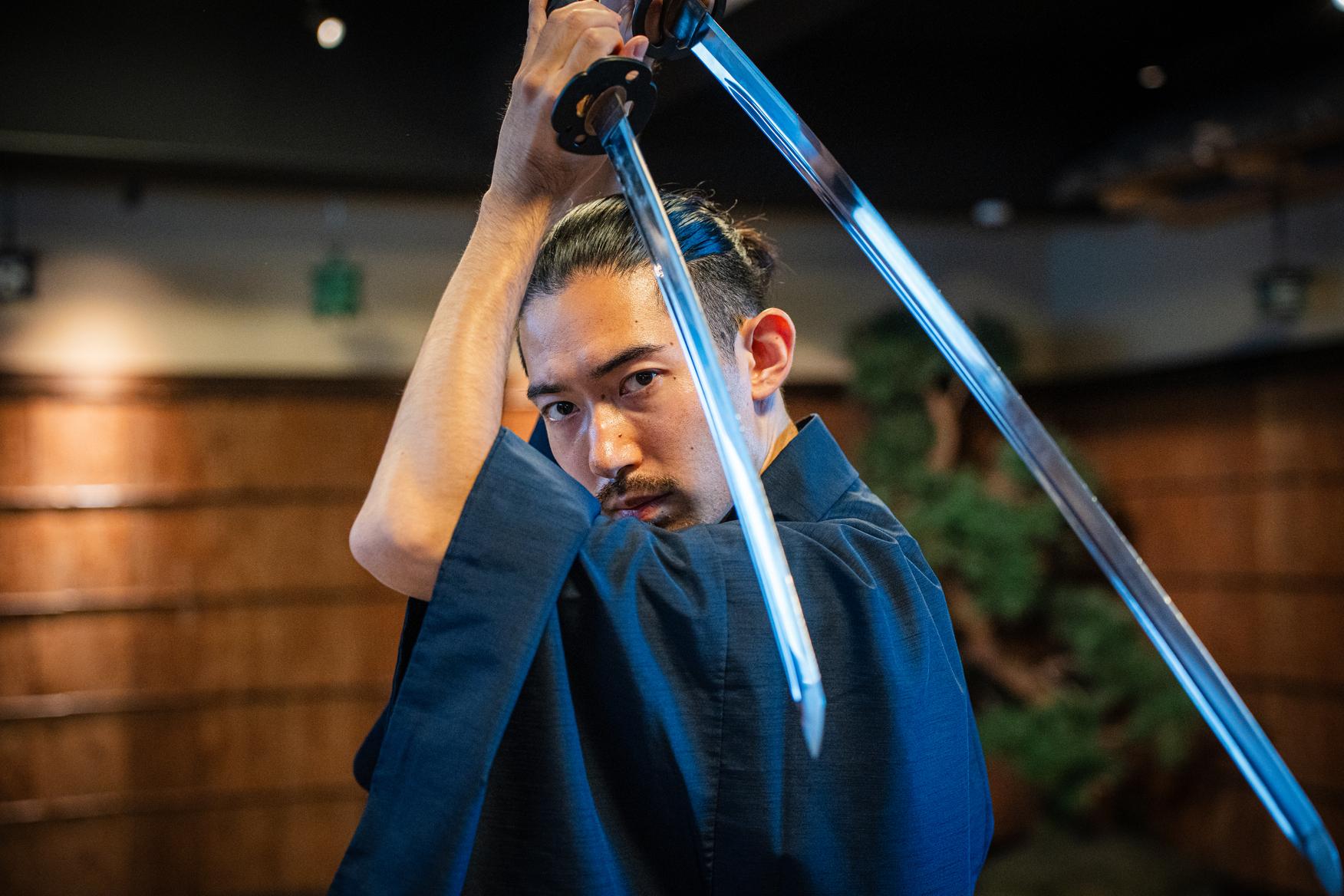
Dress in traditional armor, master katana techniques, and explore samurai history at this immersive Tokyo workshop.

Reserve
Authentic Samurai Sword Training in Tokyo 1 hr
Standard Entry

Authentic Samurai Sword Training in Tokyo

4.9 (310)
€55
per person
Instant Mobile voucher Flexible — change up to 24h

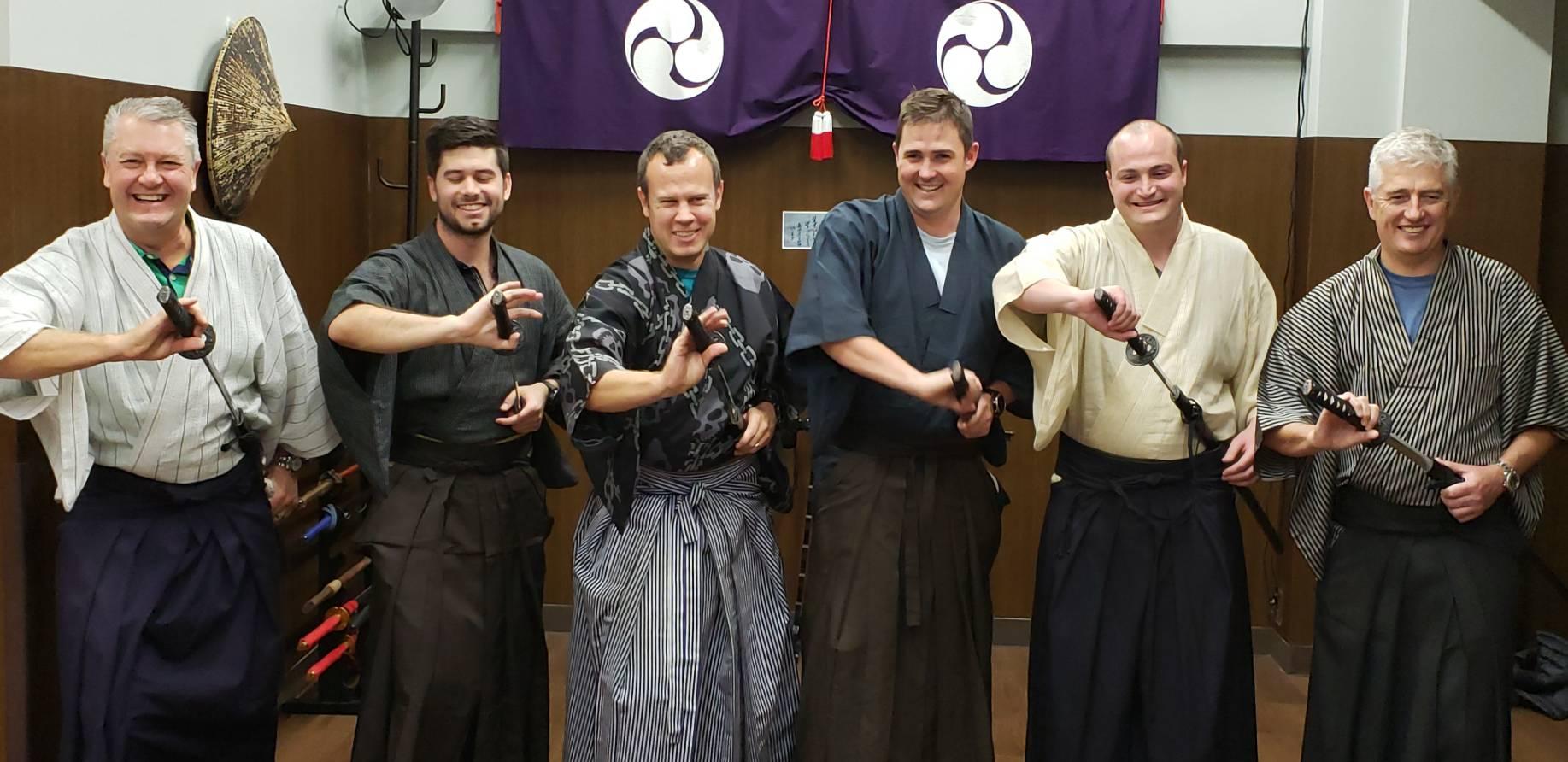
Dress as a warrior, master traditional blade techniques, and duel with professional samurai instructors

Reserve

Prices from verified partners. Availability updates in real time at checkout. Free cancellation policies apply where shown.

What you'll do

Inside a tour, step by step

  1. 01 15 min

    Museum Check-in

    Arrival and ticket verification at Samurai Museum Shinjuku

Highlights

What you'll see inside the attraction

The landmarks, rooms, and views travelers on this tour remember — all visible on a single visit.

Samurai Armor Gallery

View authentic yoroi armor sets representing historical clans from the Edo period.

Katana Display Room

Examine traditional Japanese blades and learn about their precise forging history.

Ninja Training Area

Participate in shuriken throwing sessions as part of your museum experience.

Sengoku Period Exhibit

Learn about legendary warlords who shaped Japan during the samurai era.

Iaido Performance Stage

Watch traditional sword-drawing demonstrations that illustrate the samurai way of life.

Head to head

Samurai Sword Making Class Tokyo Alternatives and Comparisons

Choosing between these experiences depends on whether you seek academic exposure to traditional blades or physical combat training. Visitors typically find the Samurai Museum offers a broader cultural narrative, while specialized workshops provide more active participation in samurai sword making class tokyo tours.

Feature Top pick Samurai Museum Sword Training Workshop
Core Focus
Primary Activity
Hands-on Intensity
Depth of Historical Context
Price
Duration

Verdict: Opt for the Samurai Museum for an educational overview, or select the training workshop if you prefer to purchase samurai sword making class tokyo tickets for a physical session.

How your ticket works

Book your ticket in 3 steps

  1. 01

    Book online

    Choose your ticket, select your date, and reserve in under two minutes. Secure checkout handled by our verified partner.

  2. 02

    Receive your mobile voucher

    Instant confirmation by email, with a mobile voucher you can save offline. No printing, no queuing at a collection desk.

  3. 03

    Show & enter

    Arrive at the entrance, show your voucher on your phone, and walk in. Most tickets include priority or skip-the-line access.

Plan your visit

Everything you need to know before you go

Practical details for your visit straight from our verified partners — hours, access, rules, and how to get there.

Open today · 10:30–21:00
Opening hours
10:30–21:00
Address
1, 2, 4F Oriental Wave Building, 5-17-13 Shinjuku, Shinjuku-ku, Tokyo, Japan
Accessibility
Full wheelchair access to all gallery and activity areas
Best arrival
10:30–19:00
Storage
Limited space; please travel light to Samurai Museum Shinjuku
Navigation
8-minute walk from Shinjuku Station East Exit
Mon
10:30–21:00
Tue
10:30–21:00
Wed
10:30–21:00
Thu
10:30–21:00
Fri
10:30–21:00
Sat
10:30–21:00
Sun
10:30–21:00
Main entrance

Oriental Wave Building

5-17-13 Shinjuku, Shinjuku-ku

Entrance is on the 1st floor

Address
1, 2, 4F Oriental Wave Building, 5-17-13 Shinjuku, Shinjuku-ku, Tokyo, Japan
Storage
Limited space; please travel light to Samurai Museum Shinjuku
Navigation
8-minute walk from Shinjuku Station East Exit

How to get there

🚆
Public transport · 15-20 min total · ¥200-¥300

Use the JR Yamanote line to Shinjuku Station, then walk 8 minutes.

🚶
Walk · 8 min · Free

From Shinjuku Station East Exit, follow signs towards Kabukicho.

Dress code

Casual attire is fine for the samurai sword making class tokyo, but please wear comfortable clothing as you will be wearing a hakama over your clothes during the training session.

Bags & security

Large luggage is not permitted inside the Samurai Museum Shinjuku due to limited space. Please use coin lockers at Shinjuku Station before your arrival.

Photography

Photography is permitted throughout the Samurai Museum Shinjuku, including during the samurai sword making class tokyo tours, provided it does not disrupt other guests.

Accessibility

The Samurai Museum Shinjuku is fully wheelchair accessible, allowing guests to participate in the samurai sword making class tokyo tour comfortably.

Mobile phones

Mobile phones are permitted for photos, but please keep them on silent mode during the guided Samurai Museum Shinjuku tour to respect other guests.

What to bring

  • Comfortable socks
  • Booking confirmation
  • Valid ID
  • Camera
  • Small bag for personal items

Not allowed

  • Large suitcases
  • Professional tripods
  • Food and drink
  • Flammable items
  • Sharp objects
  • Weapons
  • Pets
  • Drones
  • Illegal substances
  • Laser pointers

Families & strollers

The museum is very family-friendly, though we recommend the samurai sword making class tokyo for children aged 7 and older for safety reasons.

Food & drink

No food or drink is allowed inside the exhibition halls of the Samurai Museum Shinjuku. Please enjoy refreshments at nearby cafes in Shinjuku before your visit.

Pets

Service animals are permitted, but no other pets are allowed in the Samurai Museum Shinjuku.

Good to know

The samurai sword making class tokyo is a popular experience, so booking online at https://mai-ko.com is strongly encouraged to guarantee your spot.

Meeting point

Where to find us

Oriental Wave Building

5-17-13 Shinjuku, Shinjuku-ku

Entrance is on the 1st floor

Get directions
Around your visit

Everything else worth knowing

Best time to go, insider tips, nearby landmarks, and the cancellation fine print — flip through to skim what matters to you.

Best time to visit

How crowds, weather, and events shift across the year.

Spring

Mild weather makes exploring Shinjuku landmarks pleasant for a samurai sword making class tokyo tour.

Summer

Enjoy the air-conditioned interior of the Samurai Museum Shinjuku during the humid months.

Autumn

Cooler temperatures ideal for walking to the museum from the station.

Winter

Excellent for indoor cultural activities when the weather is cold.

Helpful tips for your visit

Small details that turn a good visit into a great one.

Book in advance

Secure your samurai sword making class tokyo tickets online to avoid disappointment.

Arrive early

Arriving at 10:30 helps you avoid the largest afternoon crowds.

Combine visits

Plan your day to see Hanazono Shrine after your Samurai Museum Shinjuku tour.

Dress comfortably

Wear clothes that are easy to layer under a traditional hakama.

Check the site

Visit https://mai-ko.com for the most recent updates on class availability.

Nearby landmarks

Non-bookable sights within a short walk — free to visit, easy to pair.

Hanazono Shrine

3 min

A peaceful Shinto shrine famous for its vibrant red torii gates and historical importance.

Shinjuku Gyoen National Garden

15 min

A vast landscape garden formerly belonging to the Naito samurai clan.

Golden Gai

10 min

A collection of tiny, historic bars that reflect the post-war atmosphere of Shinjuku.

Omoide Yokocho

12 min

A narrow alleyway famous for traditional grilled skewers and authentic atmosphere.

Cancellation policy

Flexible, no hidden fees.

Full refunds are available for online bookings canceled at least 24 hours before the scheduled time. Bookings for the samurai sword making class tokyo are subject to this standard policy.

Where to stay

Hotels & districts near the attraction

Hand-picked options within walking distance — pick a district for vibe, or a specific hotel for convenience.

Hotel Gracery Shinjuku

5 min
luxury

Modern hotel with a famous Godzilla head atop the building.

Shinjuku Prince Hotel

10 min
mid-range

Conveniently located near the station for easy access to the museum.

Capsule Hotel Shinjuku

12 min
budget

A unique, cost-effective stay for travelers wanting a classic Tokyo experience.

About

The place, in context

The katana's edge is ground to 15 degrees and folded through 16 layers of tamahagane steel, a forging method unchanged since the Kamakura period. What began as battlefield necessity in 1185 evolved into a craft so disciplined that a single blade required three months of differential tempering, clay application, and water quenching timed to the rhythm of hammer and anvil. By the Edo era, when samurai transitioned from warrior to administrator, the sword became symbol rather than tool, and the forging tradition contracted into a lineage of fewer than 300 certified smiths nationwide. Today, samurai sword making class Tokyo programs preserve that lineage not as museum exhibit but as participatory craft. The Samurai Museum Shinjuku anchors its collection—armor, tanto daggers, tachi blades spanning four centuries—with hands-on workshops where tamahagane, the high-carbon steel smelted in traditional tatara furnaces, is shaped under guidance. You work the same coke-fired forge, the same water trough, the same grinding stones that defined Japanese bladesmithing for 800 years. The katana's curve, its hamon temper line, the yokote ridge separating blade from tip—all emerge not from explanation but from repetition, the way apprentices learned before written manuals existed. Katana workshops in Tokyo cluster in Shinjuku and Asakusa, where English-speaking instructors translate not just vocabulary but the spatial grammar of the forge: how slack in the wrist softens the hammer blow, how quench speed determines hardness, how the blade's spine remains flexible while the edge holds sharpness. The museum context matters. Displays of Muromachi-era armor and Heian-period scrolls situate the workshop within a material continuum, so the tsuba hand guard you examine in a vitrine connects directly to the nakago tang you file during the session. This is not performance; it is transmission, compressed into two hours rather than two decades. The forge experience does not produce a finished katana—tempering alone requires days—but it does yield a functional tanto or wakizashi short blade, edge-ground and wrapped, that clears Japanese customs as craft object rather than weapon. The distinction matters legally and symbolically. What leaves the workshop is proof of technique, a 30-centimeter length of folded steel that holds its geometry because you learned to read the color of hot metal, to time the quench, to respect the interval between hammer strokes. That knowledge, more than the blade itself, is what the tradition protects.

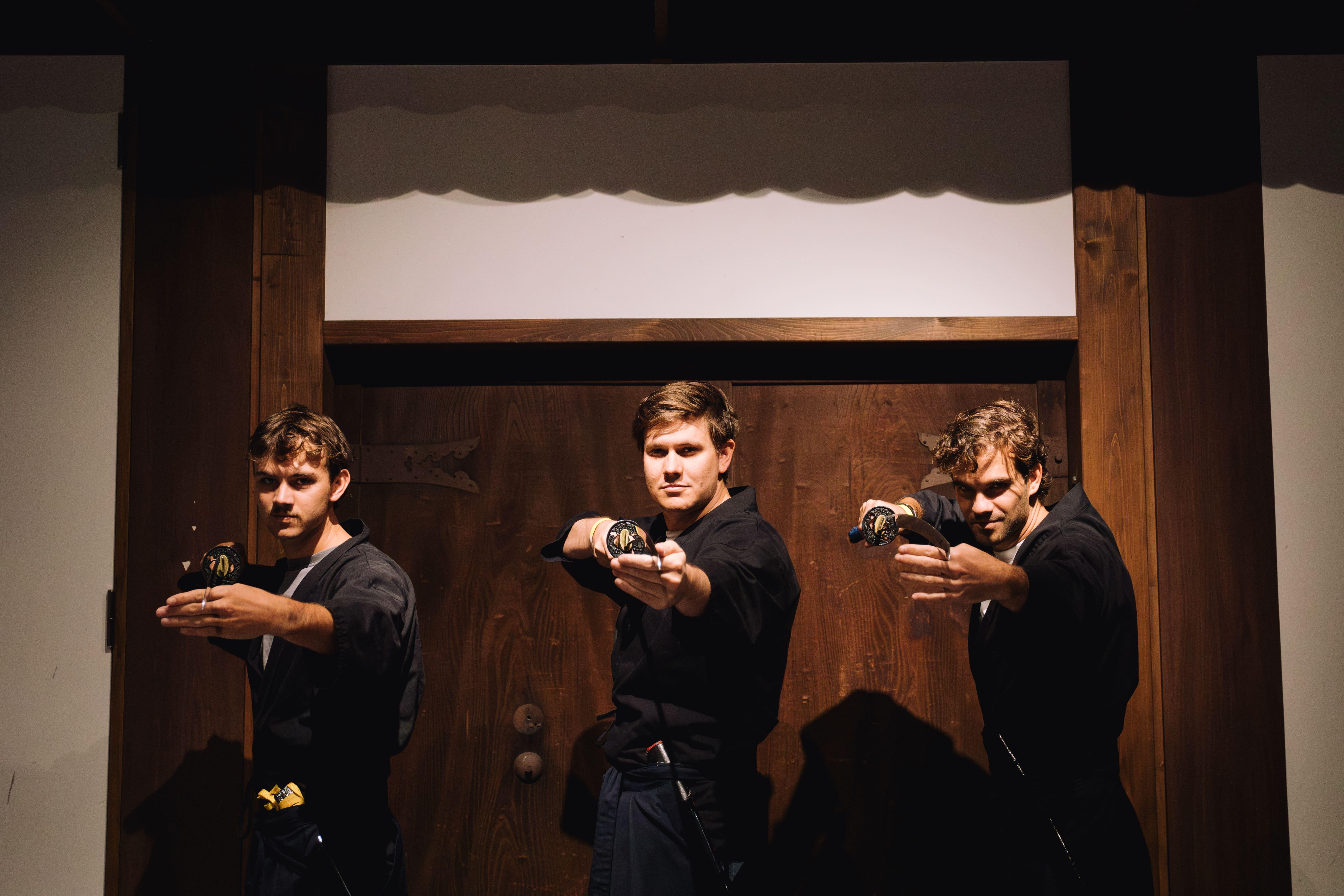
"The katana's curve emerges not from explanation but from repetition, the way apprentices learned before written manuals existed."
Your experience

What a tour day looks like

A step-by-step walkthrough of the visit — what you'll see, how long each stage takes, and the details that matter.

You arrive at the Samurai Museum Shinjuku on the fourth floor of the Oriental Wave Building, where the receptionist directs you past rows of Edo-period armor to the workshop alcove in back. The instructor, often a certified smith or advanced apprentice, hands you a leather apron and safety goggles, then gestures to the coke forge already glowing at 800 degrees Celsius. Your blank is a bar of tamahagane steel, pre-cut to tanto proportions, its surface showing the faint grain of prior folding. You grip the tongs and position the steel in the forge's white core, watching the metal shift from cherry to orange to pale yellow. The instructor signals, and you transfer the blank to the anvil. Five controlled hammer blows set the curve. Back into the forge, then to the grinding wheel, where you establish the blade's shinogi ridge and yokote transition line. The room smells of hot iron and grinding dust. After 15 minutes of shaping, you coat the spine in clay—thicker than the edge—so differential cooling will harden the cutting surface while leaving the back flexible. The quench is sudden: the blade hisses in the water trough, and the hamon temper line appears as a pale, irregular boundary along the edge. You spend the final 20 minutes on finish work—filing the tang, polishing the blade face, inspecting the geometry against a straight edge—before the instructor wraps it in cloth and hands you the export documentation.

Frequently asked

Frequently asked questions about samurai sword making class tokyo tickets

What is the entrance fee for the Samurai Museum Shinjuku?

The basic entry fee for the Samurai Museum Shinjuku is 3,000 JPY per person, which includes a guided tour.

Can I book a samurai sword making class tokyo tour online?

Yes, you can secure your samurai sword making class tokyo tickets through the official site at https://mai-ko.com.

Is the samurai sword making class tokyo experience suitable for children?

The samurai sword making class tokyo is recommended for children aged 7 and older for safety.

What are the opening hours of the Samurai Museum Shinjuku?

The Samurai Museum Shinjuku is open daily from 10:30–21:00.

Do I need to bring anything specific for my samurai sword making class tokyo visit?

Just bring your booking confirmation and comfortable clothing for your samurai sword making class tokyo experience.

Is photography allowed during the samurai sword making class tokyo sessions?

Yes, photography is welcome during the activity portion of your samurai sword making class tokyo tour.

Where is the Samurai Museum Shinjuku located?

The museum is located at 1, 2, 4F Oriental Wave Building, 5-17-13 Shinjuku, Shinjuku-ku, Tokyo.

Are there lockers available at the Samurai Museum Shinjuku?

Limited space exists, so please stow large bags at Shinjuku Station before your samurai sword making class tokyo visit.

Can I cancel my samurai sword making class tokyo tickets?

You can receive a full refund if you cancel your samurai sword making class tokyo tickets at least 24 hours in advance.